Good Morning Friends!

King Candy: The Misunderstood Mastermind of Sugar Rush
When it comes to Disney villains, few are as flamboyant and deceptively charming as King Candy from Wreck-It Ralph . With his whimsical, eccentric personality and a voice reminiscent of the Mad Hatter, he seems more like a quirky ruler than a true villain at first glance. But as the movie unfolds, we discover the dark truth—King Candy is actually Turbo, a once-beloved arcade racer who went to extreme lengths to stay relevant.
Thanks for reading Hooked On Villains! Subscribe for free to receive new posts and support my work.

At first, it’s easy to label King Candy as just another power-hungry villain clinging to his throne. But is he really the ultimate bad guy, or is there more to his story? Could King Candy actually be a misunderstood character, acting out of fear rather than pure evil? Let’s dive into his psychology and see if there’s more sugar than spice beneath his coded layers.
The Fear of Obsolescence: Turbo’s Driving Force
King Candy’s actions are driven by one powerful emotion— fear . In the world of arcade games, obsolescence is a death sentence. If a game loses popularity, it gets unplugged, taking its characters down with it.
Before becoming King Candy, Turbo was a star racer in his own game, TurboTime . He was the face of the arcade—until newer, flashier racing games stole his spotlight. Unable to accept fading into irrelevance, he abandoned his own game, tried to take over another, and ultimately caused both to be unplugged. That should have been the end of Turbo, but somehow, he found a way to infiltrate Sugar Rush , reprogramming its code and erasing the rightful ruler, Vanellope von Schweetz, from memory.
But why did he do this?
Because to Turbo (a.k.a. King Candy), survival wasn’t just about maintaining power—it was about existence itself . If he didn’t stay in control, if he didn’t remain at the top, he risked being forgotten forever. And that terrified him more than anything.
Was He Protecting Sugar Rush… or Himself?
One could argue that King Candy truly believed he was doing what was best for Sugar Rush . He tells Ralph that Vanellope racing could cause the game to crash, resulting in all the characters becoming homeless glitches.
Sure, this turned out to be a lie—but from King Candy’s perspective, it was a necessary one. He had already seen what happened when a game got unplugged. He had lived that nightmare. Maybe, deep down, he convinced himself that rewriting Sugar Rush ‘s code wasn’t just about him—it was about preserving the world he had built.
Does that justify his actions? No. But it does make them understandable . He wasn’t just an evil tyrant for the sake of being evil. He was a character desperately clinging to existence, willing to do anything to avoid being erased.
The Lesson of King Candy: Change is Inevitable
King Candy’s story is ultimately a cautionary tale about resisting change . His refusal to accept a new reality—one where he wasn’t the star—led him to villainous acts that destroyed his original game, hurt innocent characters, and ultimately led to his own demise.
His greatest flaw wasn’t just his selfishness, but his inability to adapt . If he had embraced a new role rather than trying to control everything, perhaps he could have found a way to exist without resorting to deception and manipulation.
Final Verdict: Villain or Victim of His Own Fear?
At the end of the day, King Candy (or Turbo) is both a villain and a tragic figure . He made terrible choices, hurt others, and manipulated those around him—but all out of a deep-seated fear of being forgotten.
In a way, he represents something we all fear: becoming obsolete, being left behind, losing our purpose . But unlike Turbo, we have the ability to adapt, evolve, and grow .
So, the next time you play Sugar Rush (or any game, really), spare a thought for King Candy. Underneath the flashy coat and buggy programming was a character who just wanted to matter—but took the wrong path to make that happen.
And that, dear readers, is why Disney villains are never just villains —they’re reflections of real human fears, wrapped in animation and candy-colored deception.
Until Next Time…Stay Hooked My Friends,
Thanks for reading Hooked On Villains! Subscribe for free to receive new posts and support my work.
27 Facts About King Candy (Video Game)
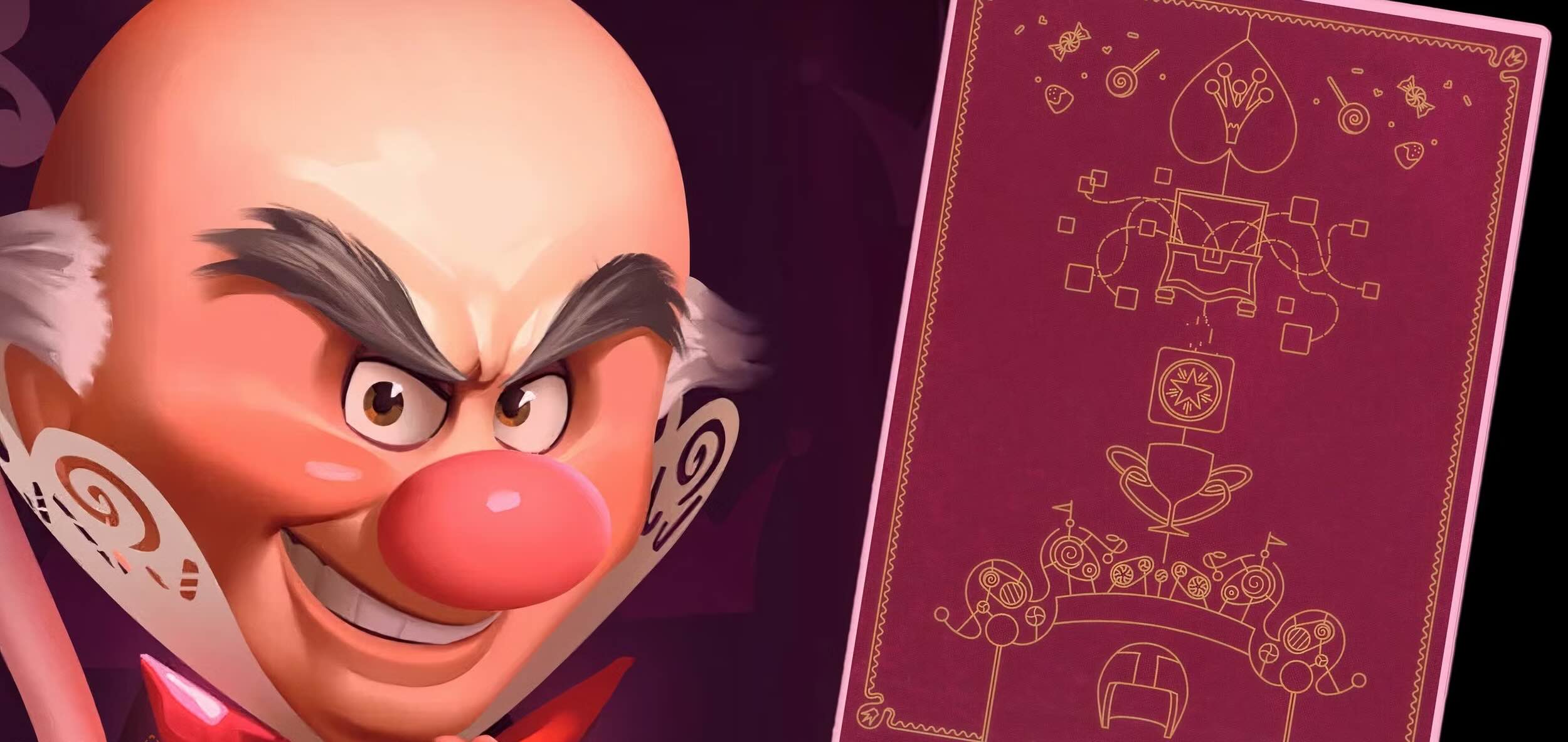
Published: 16 May 2025
Source: Thegamer.com
Who is King Candy in the video game world? King Candy is the main antagonist in Disney’s animated film “Wreck-It Ralph,” which also features a fictional arcade game called “Sugar Rush.” He rules the candy-coated kart racing game with an iron fist, hiding a dark secret. King Candy is actually Turbo, a rogue racer from another game who hijacked Sugar Rush to escape his own game’s demise. His character blends charm and menace, making him a memorable villain. In this blog post, we’ll explore 27 intriguing facts about King Candy, from his origins to his impact on the story. Get ready to dive into the sweet yet sinister world of Sugar Rush!
Table of Contents
01 Who is King Candy?
02 King Candy’s Role in Sugar Rush
03 King Candy’s Personality and Traits
04 King Candy’s Downfall
05 Fun Facts About King Candy
06 King Candy’s Legacy
Who is King Candy?
King Candy is a character from the popular video game “Wreck-It Ralph.” He is known for his quirky personality and unique role in the game. Let’s dive into some interesting facts about this fascinating character.
- King Candy is the main antagonist in “Wreck-It Ralph,” a Disney animated film that revolves around the lives of video game characters.
- His real identity is Turbo, a character from an old racing game who took over the Sugar Rush game by reprogramming it.
- King Candy’s voice is provided by Alan Tudyk, a well-known actor who has voiced many animated characters.
- He has a distinctive lisp, which adds to his quirky and memorable personality.
- King Candy’s design is inspired by the Mad Hatter from Disney’s “Alice in Wonderland,” reflecting his eccentric nature.
King Candy’s Role in Sugar Rush
In the game Sugar Rush, King Candy plays a crucial role. He controls the game and its characters, making him a central figure in the storyline.
- He reprogrammed the game’s code to make himself the ruler of Sugar Rush, erasing the memory of the true ruler, Princess Vanellope von Schweetz.
- King Candy created a false backstory for Vanellope, convincing the other characters that she was a glitch.
- He manipulated the game’s code to prevent Vanellope from racing, as her winning would reveal his true identity.
- King Candy’s castle is made of candy, reflecting the sugary theme of the game.
- He has a loyal group of henchmen, known as the “Sugar Rush racers,” who help him maintain control over the game.
King Candy’s Personality and Traits
King Candy is not just a villain; he has a complex personality that makes him an intriguing character.
- He is extremely cunning and manipulative, using his intelligence to deceive others and maintain his power.
- Despite his villainous nature, he has a charming and charismatic side, which he uses to win over the other characters.
- King Candy has a flamboyant and theatrical personality, often making grand gestures and dramatic statements.
- He is highly competitive, always striving to be the best and maintain his position of power.
- King Candy is also very paranoid, constantly fearing that his true identity will be discovered.
King Candy’s Downfall
Every villain has their downfall, and King Candy is no exception. His actions eventually lead to his undoing.
- Ralph discovers King Candy’s true identity and exposes him as Turbo, leading to a series of events that unravel his control over Sugar Rush.
- Vanellope regains her true identity as Princess Vanellope von Schweetz and takes back her rightful place as the ruler of Sugar Rush.
- King Candy’s reprogramming is undone, and the game is restored to its original state.
- He meets his end in the game’s climax, being consumed by a swarm of Cy-Bugs, which are creatures from another game.
- King Candy’s downfall serves as a lesson about the consequences of deceit and manipulation.
Fun Facts About King Candy
Here are some additional fun facts that highlight the unique aspects of King Candy’s character.
- King Candy’s character design includes elements of candy, such as his candy cane scepter and peppermint-patterned clothing.
- He has a distinctive laugh, which is both sinister and whimsical, adding to his memorable presence.
- King Candy’s color scheme is predominantly pink and purple, reflecting the sugary theme of the game.
- He has a penchant for puns and wordplay, often making jokes related to candy and sweets.
- King Candy’s character was well-received by audiences, with many praising Alan Tudyk’s voice performance.
- He is considered one of Disney’s most memorable villains, thanks to his unique personality and role in the story.
- King Candy’s legacy lives on, as he continues to be a popular character among fans of “Wreck-It Ralph” and Disney villains.
https://hookedonvillains.substack.com/p/king-candy-the-misunderstood-mastermind
Author