Guidelines are in place to ensure the fair and consistent allocation of airport slots worldwide.

How Are Airlines’ Airport Slots Allocated?

Journalist – Steven has a varied background in communications, and it was this passion for writing combined with his in-depth knowledge of the aviation industry that led him to Simple Flying. A keen linguist, he also has experience in translation and interpreting. Based in Palma, Spain
Sign in to your Simple Flying account
Here is a fact-based summary of the story contents:
Try something different:
Show me the facts Explain it like I’m 5 Give me a lighthearted recap
Airport operations run according to take-off and landing slots. The boom in air travel following the pandemic shows no signs of slowing down anytime soon – in fact, according to the International Air Transport Association (IATA), demand for air travel is expected to grow 3.8% year-on-year for the foreseeable future, with an estimated four billion more passengers in 2043 than today.

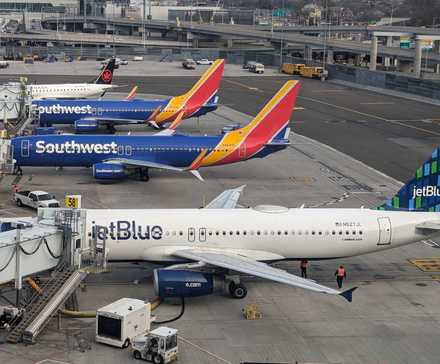
A number of key European airports, in particular, are predicted to be operating at full capacity in the not-so-distant future, and in order to support smooth operations at some of the world’s busiest and most congested airports, slots are needed. Let’s take a closer look at airport slots and examine how they are allocated to airlines.
You might also like:
Global Passenger Demand Reached Record High In 2024: IATA
IATA’s chief executive warned that while demand should continue growing in 2025, the aviation industry is still facing challenges.
Feb 2, 2025
What is an airport slot?
IATA defines an airport slot as “a permission given by a coordinator for a planned operation to use the full range of airport infrastructure necessary to arrive or depart at a Level 3 airport on a specific date and time.” For slot purposes, airports are categorized into three different levels, depending on the scale of their operation and their need for slots. The different levels can be defined as below:
- Level 1 – slots are not needed to accommodate the flight schedule.
- Level 2 – slots are not required, but there is potential for congestion, so the airport makes voluntary use of them at peak times of the day/year in order to assist with planning and to ensure a smooth operation.
- Level 3 – highly congested airports where slots are a necessary planning tool, and where all airlines must have an allocated slot for departure and arrival.
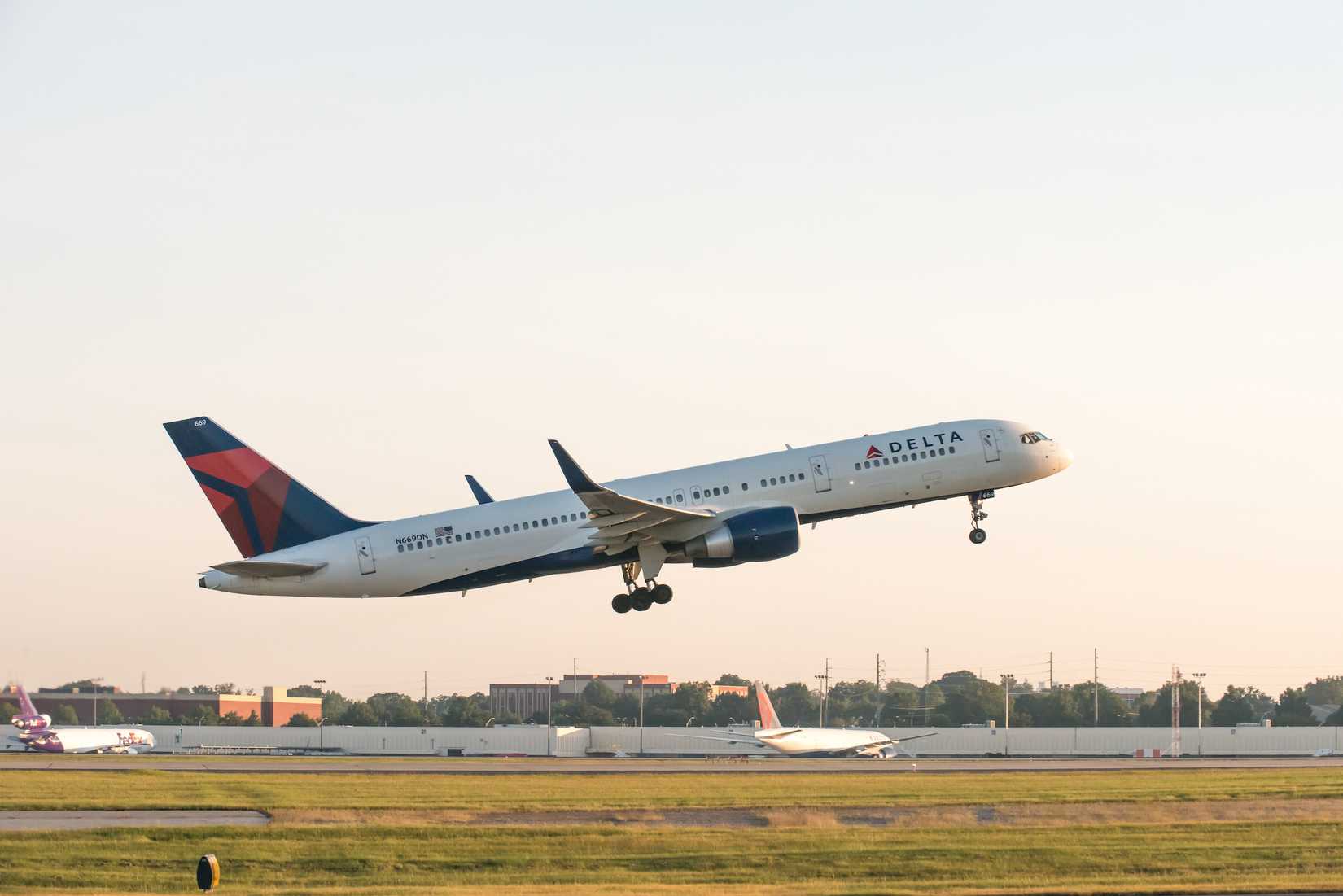
Airport slots were first developed in the 1960s, when commercial air travel started to become more and more popular, and are different from air traffic control (ATC) slots. Worldwide, almost 200 airports are categorized as Level 3 for slot purposes, accounting for up to 50% of global air traffic. According to data from IATA, around 35% of all flights operate between two Level 3 airports.
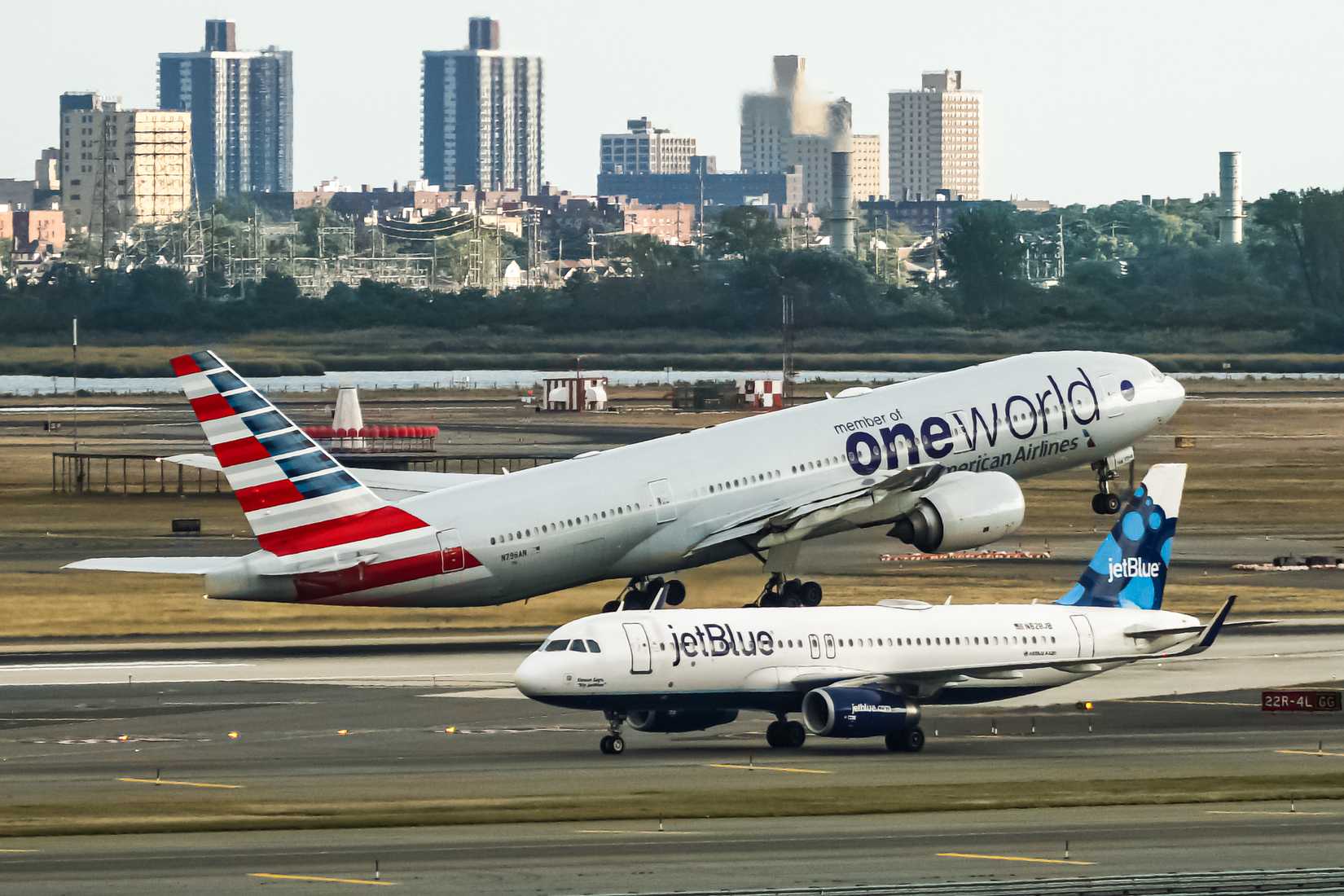
Such airports include the likes of New York John F. Kennedy International Airport (JFK), New York LaGuardia Airport (LGA), London Heathrow Airport (LHR), Amsterdam Schiphol Airport (AMS), Paris Charles de Gaulle Airport (CDG), Melbourne Airport (MEL), Beijing Capital International Airport (PEK), and Bogotá El Dorado International Airport (BOG).
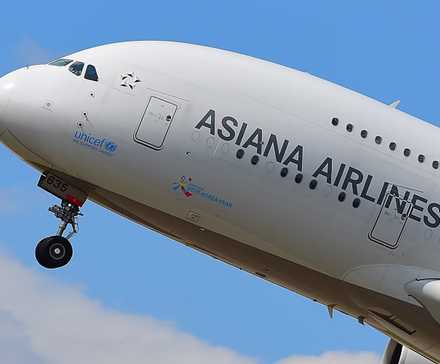
At such airports, larger aircraft such as the Airbus A380 and Boeing 777 have come into their own, allowing airlines to transport a large number of passengers using as few slots as possible. That said, the world’s largest operator of both aircraft is Emirates, based at Dubai International Airport (DXB). Despite being the busiest airport in the Middle East, Dubai International Airport is classed as a Level 2 airport, meaning that slots are either not needed, or only needed at certain times of the day/year.
You might also like:
The 13 Airports With 3 Or More Airbus A380 Operators
Three US airports are featured.
Feb 13, 2025
How are airport slots allocated?
When it comes to slot allocation, there are three key players – the airport, airlines, and the slot coordinator. IATA summarizes the slot process on its website, saying,
“The slot process is designed to optimize the flying schedule through synchronized activities referred to as slot coordination. The coordination process is highly reliant on the system of coordinated airports all working to the same rules and timelines globally, ahead of each season. This ensures all airlines can secure the slots needed on each end of the route to operate a viable flight, considering flight times and aircraft fleet changes. The process is immune from discrimination, serving all types of airport and airline business models equally.”
Airport slots are managed by independent coordinators in order to provide a fair and non-discriminatory distribution. The Worldwide Airport Slot Guidelines (WASG) provide guidance on slot management and coordination, and are managed by the Worldwide Airport Slots Board (WASB). The WSAG has seven key aims, as published on IATA’s website:
- “To facilitate consumer choice of air services, improve global connectivity and enhance competition at congested airports for passengers and cargo.
- “To provide consumers with convenient schedules that meet demand, are consistent from one season to the next, and reliable in terms of their operability.
- “To ensure that slots are allocated at congested airports in an open, fair, transparent and non-discriminatory manner by a slot coordinator acting independently.
- “To realize the full capacity potential of the airport infrastructure and to promote regular reviews of such capacity and demand that enable effectual capacity declarations for slot allocation on a seasonal basis.
- “To balance airport access opportunities for existing and new airlines.
- “To provide flexibility for the industry to respond to regulatory and changing market conditions, as well as changing consumer demand.
- “To minimize congestion and delays.”
The appointed slot coordinator for Level 3 airports must be fully independent of any interested party and must act in a neutral manner. In the US, the Federal Aviation Administration (FAA) fulfills the role of slot coordinator.

The slot coordinator will monitor airlines and their adherence to their allocated slots, in line with strict usage rules. Meanwhile, IATA states that the role of the airport is “to identify and declare the maximum available slot capacity, including new capacity and existing capacity, considering the facilities and their capabilities. The airport is then responsible for delivering the declared capacity in the operational phase. This is a critical role because under-declaring or under-delivering capacity reduces the airlines’ ability to meet consumer demand.”

You might also like:
Not Many Left: The US Airports Still Dictated By Federal Slot Restrictions
Three US airports are currently slot-controlled, limiting the number of daily flights during specific times.
https://simpleflying.com/how-airline-airport-slots-allocated/
Author